
Pregnancy week-by-week
We now know that babies do a lot of learning even before they’re born. Research has shown us that not only do babies know the sound of their mother’s voice at birth, but they also recognise their native language and can identify songs, rhymes and stories that they hear frequently while in utero.
Your baby’s language learning begins before birth, so explore below to learn about how your baby is getting ready for talking even before they’re born.

First trimester
-
Your baby’s upper jaw and the roof of their mouth have now fused at the mid-line.
-
Your baby’s outer and inner ear are forming.
-
Your baby’s brain has almost finished forming.
-
Twenty teeth have started to form in your baby’s gums.
Second trimester

-
Your baby’s reflexes are fully functioning.
-
Your baby is able to suck their thumb.
-
Your baby might startle to loud noises.
Your baby is experiencing different flavours as they now have taste buds.
-
Your baby can hear your voice.
Your baby now has all of its permanent teeth formed beneath their gums.
-
Your baby’s inner ear is the same size as yours.
Your baby’s brain, now fully formed, will continue to grow in size.
-
Your baby can recognise light, hear and feel pain.
-
Your baby can recognise familiar voices and music and may become more active when you are talking.
-
Your baby can feel your touch and may become more active if you rub your tummy firmly.
-
Your baby can now open its eyes.


Third trimester
-
Your baby may suck their thumb.
-
Your baby is making lots of connections in their brain. They are learning.
-
Your baby is learning how to suck and swallow, getting ready for their first breastfeed.
-
Your baby can suck and swallow now with ease.
-
Your baby’s lungs are fully mature now and they are ready to take their first breath.
-
Your baby is full term and ready to enter the world. Although they are not yet born, their brain is busy everyday making new connections and learning new skills.
Play with your baby today
It’s never too early to start communicating with your bump
Talk to your bump

Okay, so you may feel a little strange talking to your burgeoning belly when you’re out and about, but when you’re at home start chatting to your baby. Tell them what you’re doing, what you’re eating, watching, listening to. Tell them you love them, that you can’t wait to meet them. Your baby loves to hear your voice, as it resonates through your body.
Touch your belly

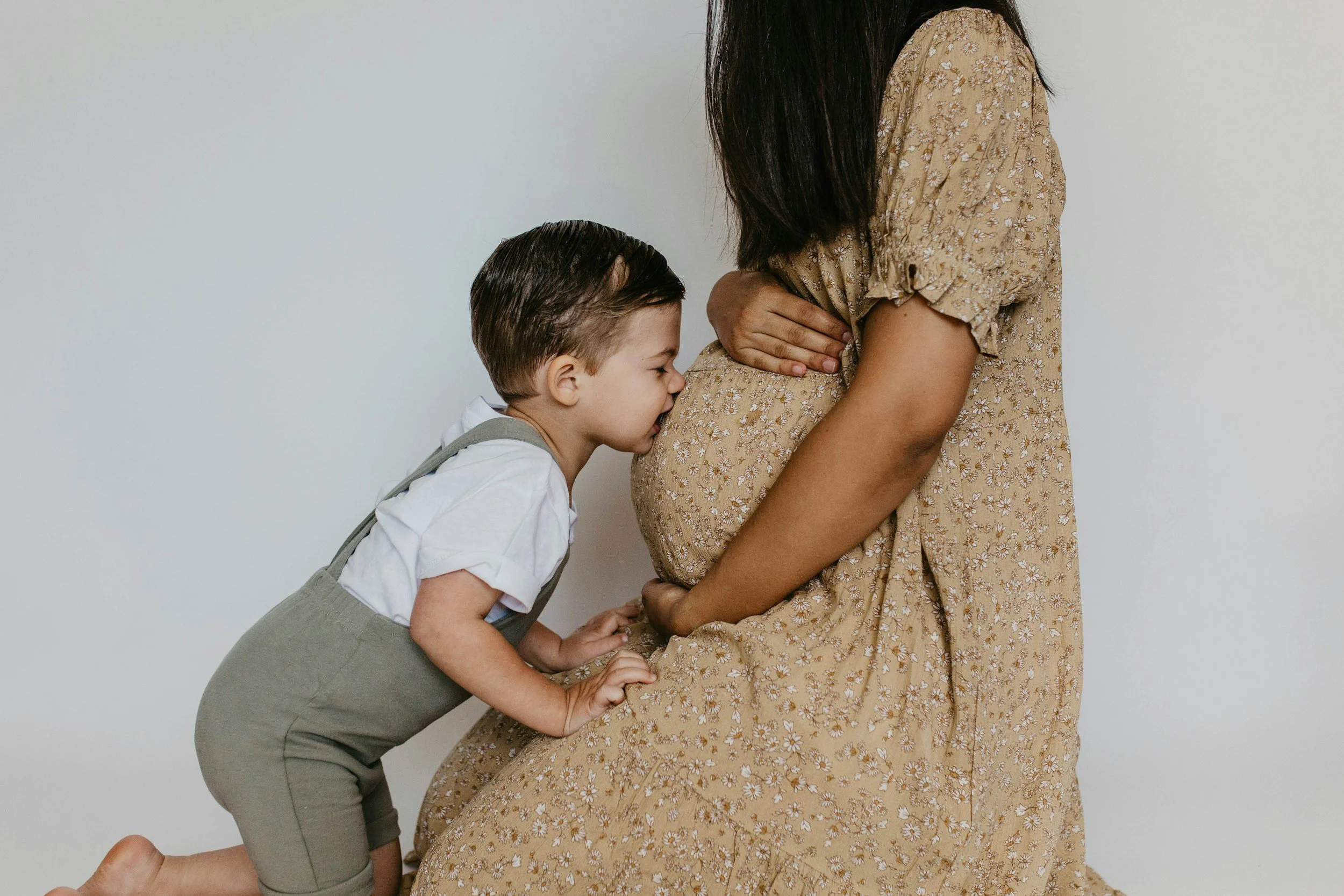
We communicate so much through touch in our everyday lives – love, empathy, excitement. This can begin between you and your baby before birth through touch and is another great way to help your partner bond with bubs. By 22 weeks you may start to feel your baby move and by 26 weeks your baby may begin to respond to your touch.
Read to your baby
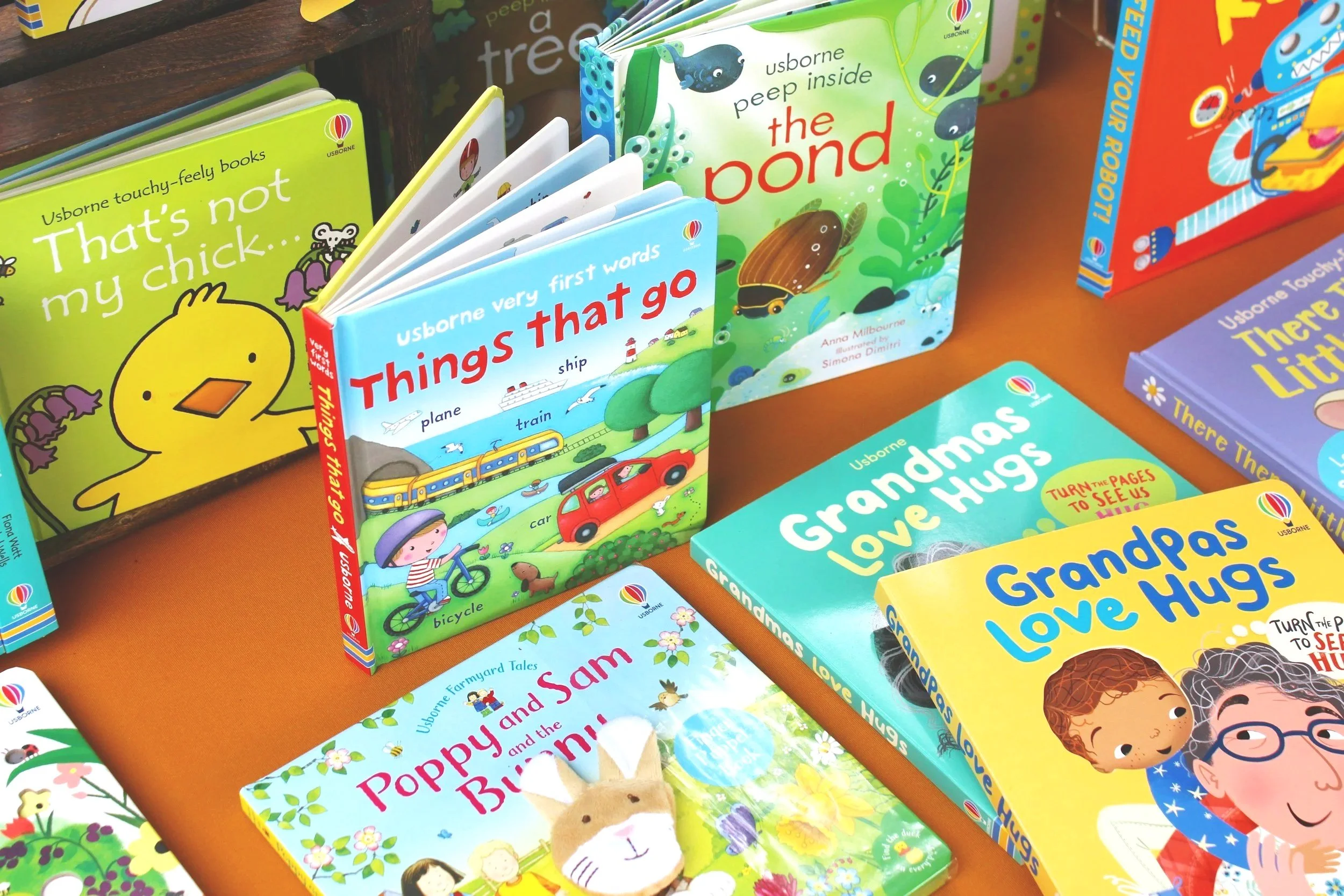
Reading to your child is one of the best things that you can do to help them learn to talk, and later, learn to read. It’s also a great way to get your partner involved too. Not only will your baby start to recognise the books that are read to them over and over, but you’ll get into the fantastic routine of reading to your baby every day.
Play music to your bump
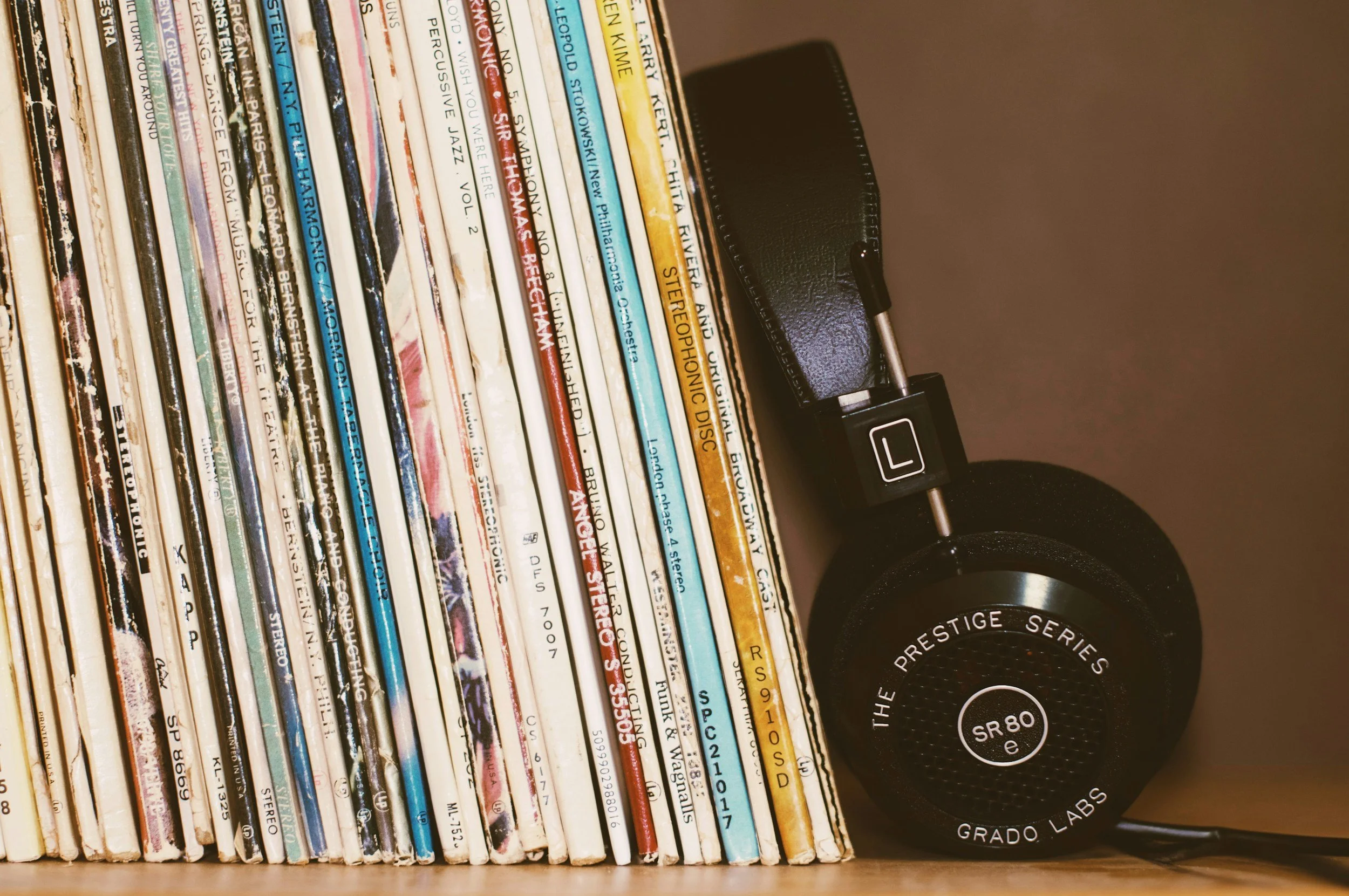
We know that babies are able to recognise songs that they hear frequently while in utero, so why not sing and play music to your baby. While there’s no specific research on whether this helps your child learn how to concentrate on speech sounds once they’re born, it’s activating the areas in their brain that are used for listening.
Write to your baby
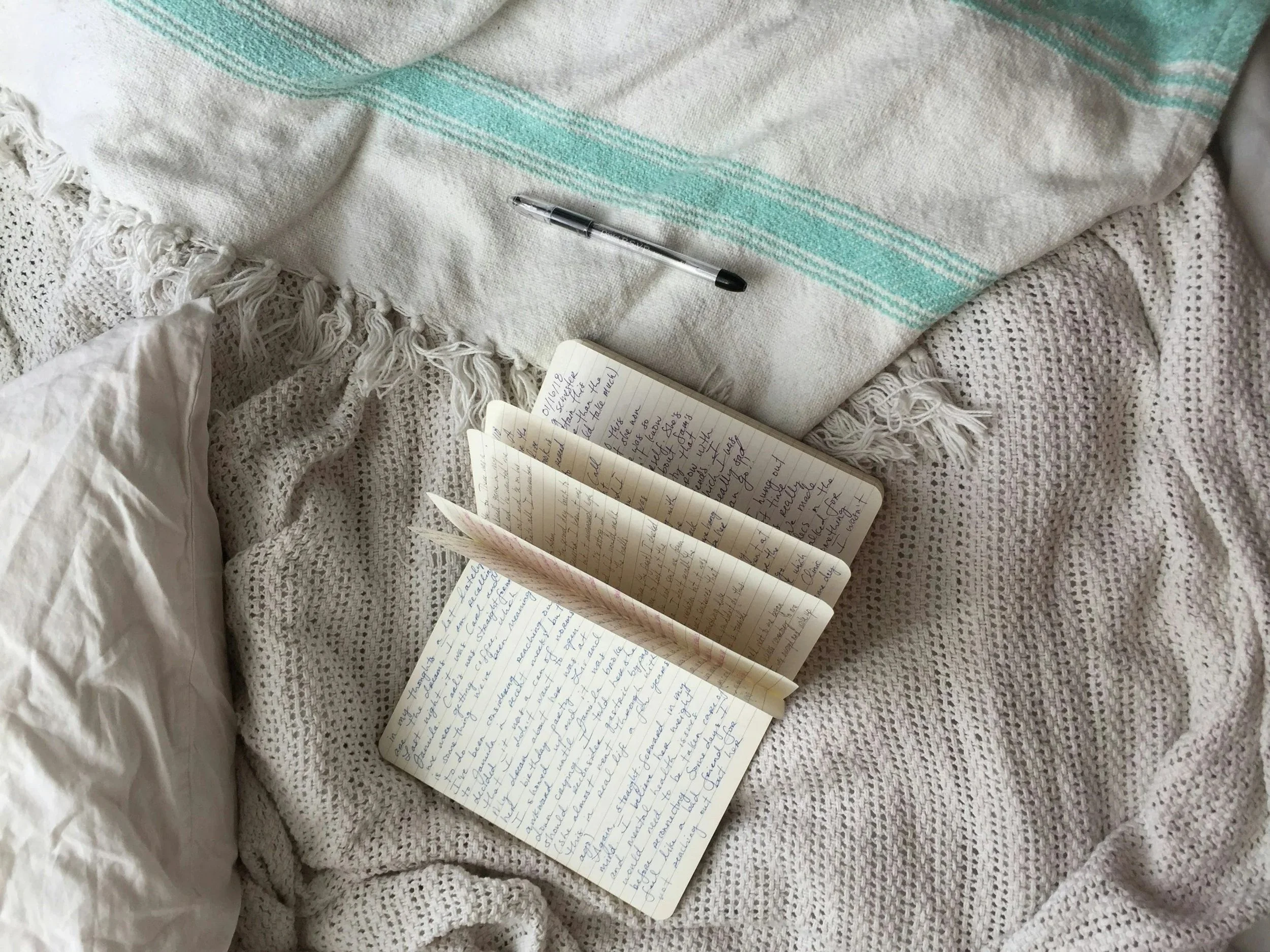
Writing a journal to your baby is a beautiful way to start communicating and bonding with them. It’s a way for you to connect and share your excitement, hopes, fears and dreams as your baby grows. You can read your journal to your baby and they’ll be able to hear your words from about 20 weeks. This will be a treasured keepsake for both you and your child for … well, for forever!
Language Learning Tips
Learn how you can create the best bilingual language learning environment for your new baby.