Teaching your child more than one language
Bilingual language development
Your child’s ability to learn more than one language is phenomenal. There will never be a time in their life in which learning more than one language will be easier. This is because of the rapid changes that are occurring inside your child’s brain every day.
Research has shown that children who learn more than one language in the early years have better pronunciation and grammatical skills in these languages, than children who learn them a little later on.
If you, your partner, or another family member speak different languages, then you are able to give your child the gift of multiple language learning.
How do I teach my child more than one language?
One Person One Language
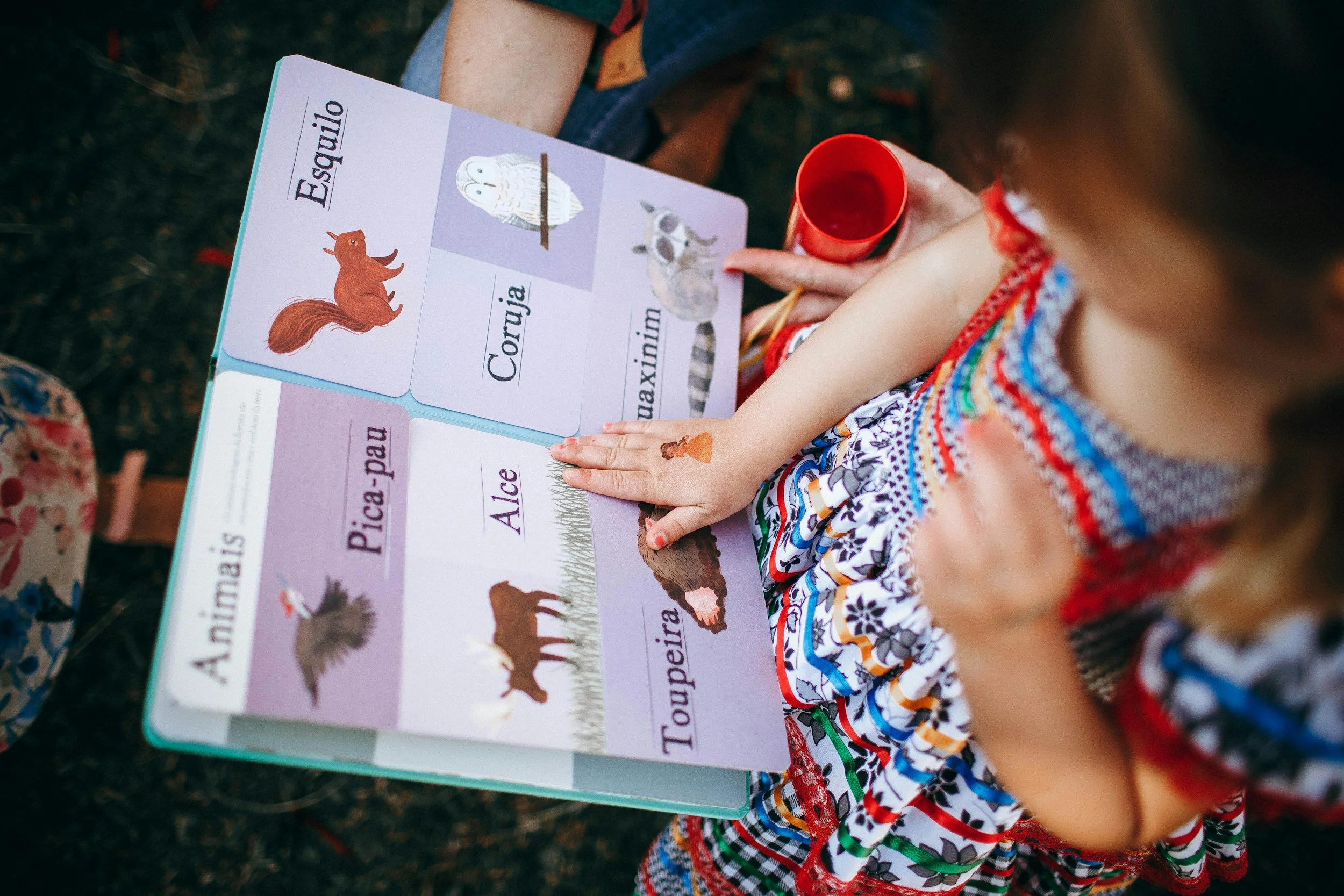
This approach works if you and your partner speak different languages. It’s simple, you just speak your first language to your child all the time. This may lead to your child learning three languages if both you and your partner speak different languages (other than English) and they are learning English in the preschool or school setting.
Minority Language Approach
This approach works when both you and your partner speak the same language and this is different to the language that the majority of the people in your community speak. You and your partner may speak Mandarin at home and your child will learn English in the preschool or school setting.
Top Tips for Teaching more than one language
-
It’s important that you give your child a rich language learning environment and the best way to do this is to use the language you are most comfortable speaking. Talk, play, sing and read to them in this language.
-
The more your baby or toddler hears words in your first language, the quicker their learning of this language will be. It’s likely that your child will have a preferred or dominant language, and this will simply be the one they hear and practice most of the time. Don’t worry, keep up all languages, they may just take a little longer to develop those that they don’t hear as much. Expose your child to not just talking but songs, rhymes and books in your first language too.
Don’t forget to sing songs, play games and read books in your first language too. -
Although research in this area is still developing, the theory is that because languages have different speech sounds and grammatical structures swapping between languages mid sentence can be confusing for your little one.
Will learning more than one language make my child late to talk?
No, research tells us that children who learn more than one language will not experience language delay. When considering the number of different words your child can understand or say, think about the words they use in both languages. Their total vocabulary across languages should be similar to children learning just one language. If your child is experiencing a delay in both languages, have a chat to your child health nurse or GP as support from a speech pathologist may be recommended.
What if my child is starting at child care and doesn’t speak any English?
Do not fear, your little one will use much more than words to communicate their needs and desires in this new setting. It can be a great idea however, to teach your child a few key words in English (if this is the language spoken at the childcare) so that they can communicate some important needs (e.g. eat, drink, toilet, mummy/daddy, play, book).
Likewise it is also a great idea for childcare staff to learn some important words in your child’s first language. This helps to break down the communication barrier and tells your child “Hey I belong and can be understood here”.
Will my child struggle to learn at school?
No, absolutely not. Research tells us that children who learn more than one language have better long-term academic outcomes, a strong sense of identity and also a fantastic skill that opens up opportunities later in life.
In general, children go through a similar pattern as they begin to learn a second language. This includes the following phases:
Uses their first language in the new setting
Becomes quiet and goes through a silent phase as they learn the new language
Imitates simple, short phrases in the new language
Begins to construct and use their own sentences as they become more proficient in their new language
This may take a period of up to six months as your child learns this new language.
Once your child is proficient in the new language they may decide to stop using their first language at home. Do not dismay, even if they go through their school years no longer speaking their first language, as long as you continue to expose them to this language they will always understand the language and will have the opportunity to return to it later in life.
So as you start on this exciting bilingual language learning journey, remember that the key is to give your child rich language learning opportunities in your first language.
This will lay a strong foundation for all the language they learn later.