
My top 5 tips for building language
Watching my two little ones learn to communicate was truly one of the most fascinating times of my life. I was finally putting into action all the strategies I’d learned and had been showing to other parents for so long.
Somehow, it wasn’t until I saw first-hand the power of these daily interactions that it sunk in - this REALLY works.
So here are my top 5 tips that will boost your little one’s understanding and use of new words.
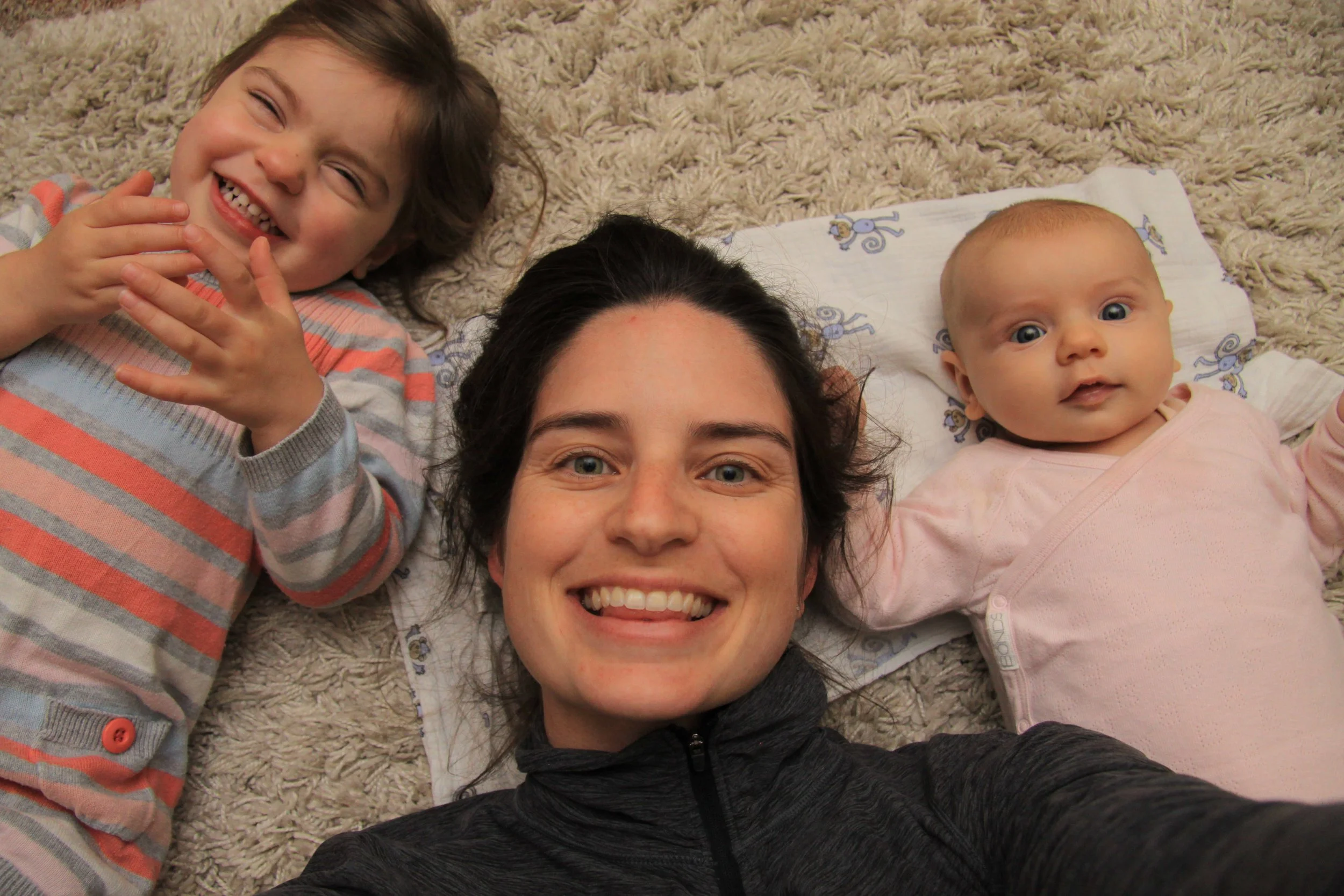
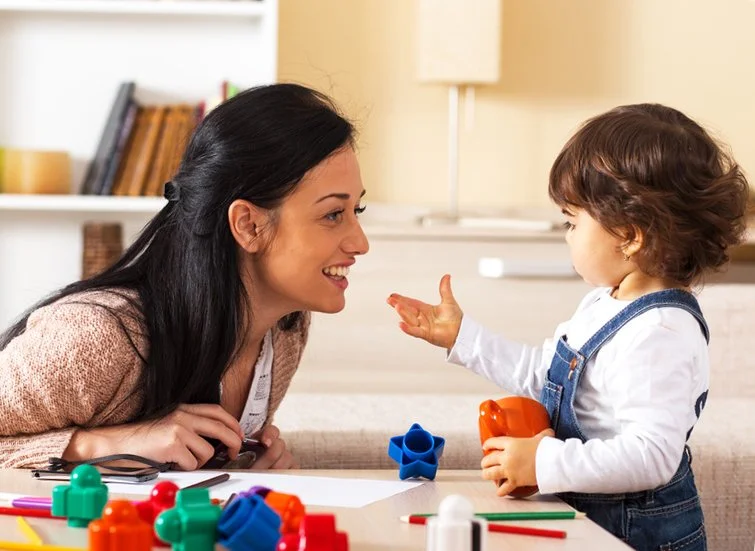
Tip 1: Talk ALL the time
This really is as simple as it sounds. Go about your day with your little one, talking about what you see and the things you are doing together. Pause between phrases so your little one has time for all those words to sink in.
If you get strange looks when you’re in the fruit and veg section of the supermarket, then you’re doing it right!

Tip 2: Read to your little one every day
This one is SUPER important for laying the foundations for later success at reading. Take books with you everywhere so that if you’re stuck waiting for an appointment, on the bus or even lazing in the park, you can share a book together.
And because you’ll be reading so much, you’ll want to make sure the books don’t drive you crazy. Some of my favourite books, that I’ve ever read, just happen to be ones I shared with own kids (if you’ve read anything by Julia Donaldson then you know what I’m talking about).
Check out my favourite books for babies and toddlers at the link below.
Tip 3: Share songs and rhymes
Songs and rhymes helped get me out of many a sticky situation with my two - long car trips, nappy changes and even when they were feeling sick.
I learned heaps of songs through working with families and have made a whole list that support first words. Check them out at the link below.
Tip 4: Use gestures and other visual cues
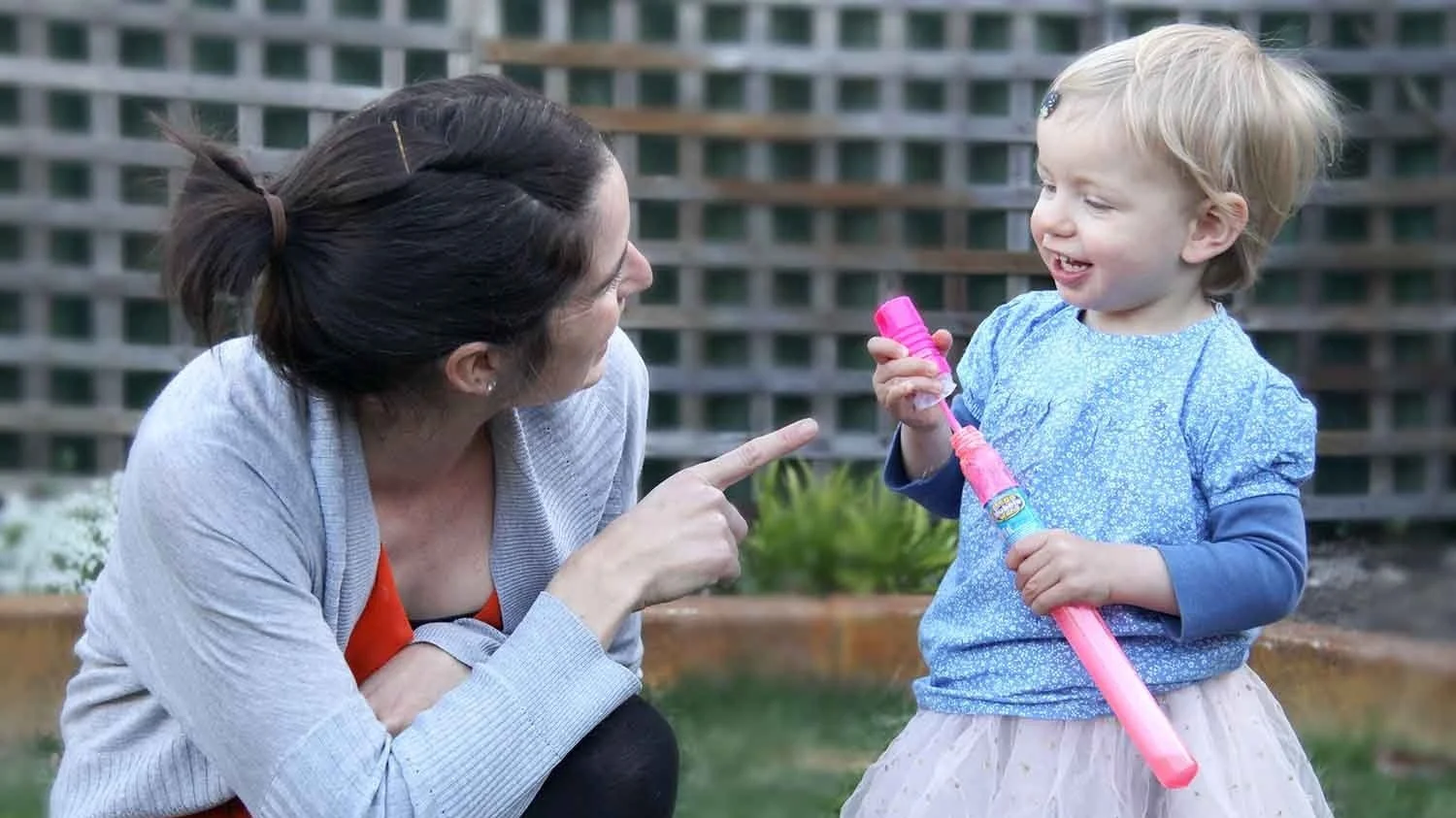
Babies and toddlers take a little longer to process what they hear so using visual supports is really important. You can do this by:
Pointing to or showing your little one the object that you’re talking about
Acting out action words when you sing songs (like run, hop, skip, jump)
Using facial expressions to show how you feel and to empathise with your little one
Pointing to the pictures in books while you talk about what you see
Using gestures and baby sign to help draw their attention to key word
Parents often tell me that they feel a real pressure to speak English to their little one, even if it isn’t their first language. Research tells us that it is MUCH better for babies and toddlers if you speak to them in your first language.
This gives them:
a rich vocabulary
accurate pronunciation of all the sounds
a way to connect with family members and your culture
a second language
Learn more about supporting your little one to learn more than one language at the link below.